How Emergency Dentist Ventura Services Work on Weekends and Holidays

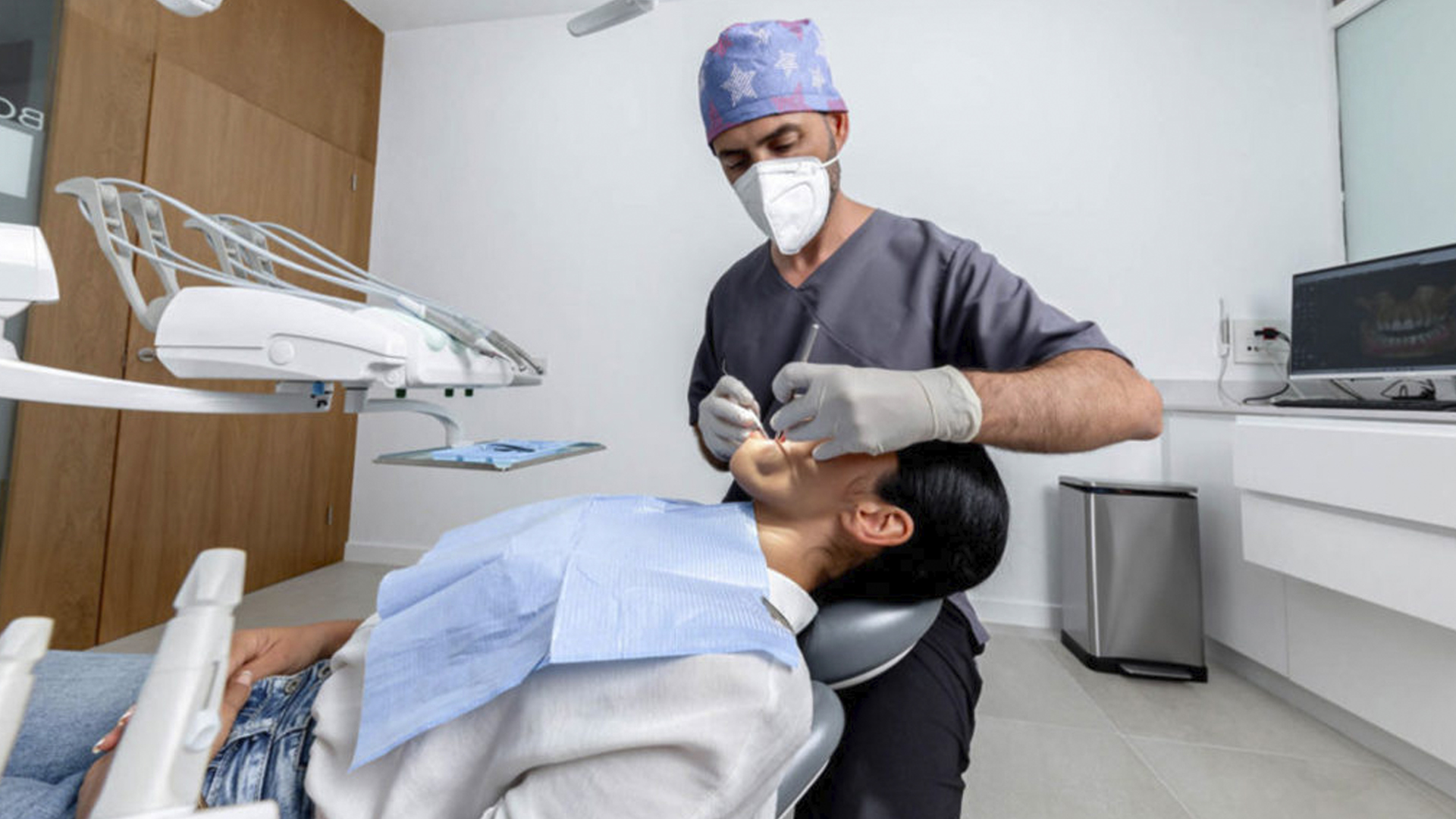

Dental pain has a way of ignoring the calendar. A cracked molar does not wait for Monday morning. A child who takes an elbow to the mouth at a family barbecue is not thinking about office hours. Anyone who has tried to find care on a Sunday afternoon or during a holiday weekend already knows the difference between a routine dental issue and a true emergency, because one can wait and the other takes over your entire day.
That is where an Emergency Dentist Ventura service becomes important. Weekend and holiday dental care is not simply a regular appointment squeezed into an inconvenient time slot. It usually runs on a different workflow, with faster triage, tighter scheduling, and a stronger focus on pain control, infection management, and immediate stabilization. The goal is to get you safe, comfortable, and out of danger first, then map out any follow-up treatment once full business hours return.
People often imagine emergency dental care as a chaotic, walk-in-only system. In practice, the better clinics tend to be more organized than that. They know calls will come in from patients who are scared, swollen, bleeding, or unsure whether they need urgent help at all. A good weekend emergency setup has clear protocols for sorting those cases quickly and deciding who needs to be seen right away.
What counts as a weekend or holiday dental emergency
Not every dental problem needs same-day care, but some absolutely do. The challenge for patients is that pain can feel urgent even when the underlying issue is not dangerous, and some serious infections start with symptoms people dismiss for too long. Over the years, dental teams learn to listen less to the volume of panic and more to specific clinical clues: swelling, trauma, uncontrolled bleeding, fever, difficulty swallowing, severe pain that does not respond to basic medication, or a tooth that has been knocked out.
Here are the situations that usually deserve a call to an emergency dental office without waiting for the next weekday:
- A knocked-out, loose, or displaced permanent tooth
- Facial swelling, gum swelling, or signs of infection with worsening pain
- A broken tooth with nerve exposure, sharp edges, or significant bleeding
- Severe toothache that keeps you from sleeping, eating, or functioning
- Lost fillings, crowns, or dental work when the tooth is painful or vulnerable
Other problems may still need prompt attention, but they often fall into a gray zone. A chipped tooth with no pain might be inconvenient rather than urgent. A crown that falls off on a holiday morning could wait a day or two if the underlying tooth is not sensitive and the edges are smooth. A mild toothache may improve temporarily with anti-inflammatory medication, but if it starts radiating to the jaw or ear, that is a different conversation.
That gray zone is one reason experienced front-desk coordinators and on-call dental staff matter so much. A patient may call saying, “My filling came out,” but after a few more questions the real issue becomes clear: they have swelling under the jaw, they cannot bite down, and cold air makes the tooth feel like an electric shock. Weekend triage depends on those details.
What usually happens when you call
Most weekend and holiday emergency visits begin by phone, even if the office accepts walk-ins. That first conversation is not a formality. It is the point where the office decides whether your problem can be managed with an appointment later in the day, whether you need immediate care, or whether you should go straight to a hospital emergency department because the issue may involve airway risk, facial trauma, or a medical emergency beyond the scope of dentistry.
The person taking the call will usually ask when the pain started, whether there is swelling, whether there has been trauma, and what has already been tried at home. If you describe a knocked-out adult tooth, they may walk you through handling it by the crown only, rinsing it gently if dirty, and keeping it moist while https://travistgth582.readspirex.com/posts/when-to-visit-an-emergency-dentist-ventura-for-a-broken-tooth you head in. If you mention spreading swelling or trouble opening your mouth, they may accelerate your appointment or direct you to a higher-acuity setting.
One practical detail patients often do not expect is that emergency scheduling tends to stay fluid. A clinic may reserve specific blocks for same-day emergencies, but the order can shift if a patient with uncontrolled bleeding comes in after someone with a lost filling. This can feel frustrating if you are in pain, yet it is part of safe triage. Emergency dental care, especially on weekends and holidays, works more like urgent care than like a standard hygiene visit.
In Ventura, as in most communities, some emergency dental offices are full-time practices that also maintain weekend availability, while others use rotating on-call coverage. That distinction affects the patient experience. A dedicated emergency setup may have broader hours and staff on site. An on-call arrangement may require a callback, screening, and an appointment opened specifically for your case. Neither model is inherently bad, but it helps to know that “open weekends” can mean different things operationally.
The first goal is usually stabilization, not a full rebuild
Patients sometimes arrive expecting definitive treatment in one visit and leave disappointed when the dentist focuses on temporary measures. On weekdays, with a full schedule, complete records, and normal lab support, a dentist may be able to move directly into a root canal, a permanent crown plan, or more involved restorative work. On a holiday afternoon, the priorities are narrower and more practical.
The first priority is to control pain. The second is to reduce infection risk or active infection. The third is to preserve the tooth and surrounding structures if possible. Only after that does the team consider whether final treatment can be completed that day.
For example, a patient with a badly inflamed molar may receive an exam, X-rays, local anesthesia, drainage if appropriate, medication guidance, and either an emergency pulpotomy, temporary filling, or extraction if the tooth cannot be saved and the case is straightforward. A patient with a fractured front tooth after a fall may get smoothing of sharp edges, protective bonding, and cosmetic stabilization so the tooth is not exposed and the appearance is manageable until a follow-up visit. These are not lesser treatments. They are purposeful interim decisions made under time-sensitive conditions.
This is one area where professional judgment matters. Aggressive treatment is not always the best treatment during an emergency slot. If swelling obscures anatomy, if the patient has limited numbness because of acute infection, or if a complicated molar root canal would likely run beyond safe timing, the dentist may choose the option that protects the patient now and hands off the definitive phase to a follow-up visit.
How walk-in care differs from appointment-based emergency care
People often use the term walk-in dentist loosely, but true unscheduled dental care is less common than many assume. Even offices that advertise emergency availability usually prefer a brief screening call first. That is not red tape. It protects the patient from spending an hour driving to the wrong setting and protects the office from trying to manage a case that really belongs in the hospital.
If you do walk in, expect a few realities. You may wait longer than someone who called ahead. The staff may still need to fit you into a triaged queue. You may be seen for an exam and pain management but scheduled for a second visit for definitive treatment. On major holidays, staffing can be leaner, which means the office may be highly capable clinically but less able to process nonessential paperwork on the spot.
By contrast, a scheduled emergency appointment allows the office to prepare. If you say you have a broken denture, they know this may not be a same-day chairside fix. If you say you have a dislodged implant crown, they may pull prior records if you are an existing patient. If you mention anticoagulant medication, they can plan more carefully for any procedure involving bleeding risk.
That preparation tends to make care smoother, which is why even an “Emergency Dentist Ventura” office will usually prefer a call before arrival whenever possible.
What the dentist is looking for during the exam
An emergency exam is focused and efficient. The dentist is not ignoring the rest of your mouth, but the immediate problem dictates the pace. Most visits include a brief health history update, vital signs in some offices, targeted X-rays, and a clinical exam centered on pain source, swelling pattern, mobility, bite changes, and evidence of infection or fracture.
A lot can be learned in a few minutes. A throbbing upper toothache may actually be sinus-related, especially if several teeth feel sore at once and pressure worsens when bending over. A patient convinced the wisdom tooth is the problem may turn out to have a cracked second molar. A swollen gum over a partially erupted wisdom tooth may be manageable with cleaning and antibiotics in some cases, but a spreading facial infection changes the urgency completely.
Dentists also pay attention to what is not present. No swelling, no percussion sensitivity, and no visible crack may shift the differential toward grinding-related ligament inflammation rather than deep decay. Weekend care is still diagnostic care. The point is not to hand out medication and send everyone home. The point is to identify the source and act accordingly.
Treatment options you may be offered that day
The exact care depends on the problem, the office setup, and the dentist’s assessment, but most weekend and holiday emergency dental visits fall into a handful of treatment pathways.
For severe tooth pain caused by pulpal inflammation or infection, the office may open the tooth to relieve pressure, place a sedative filling, prescribe medication when indicated, or extract the tooth if restoration is not realistic. For fractures, the dentist may bond, smooth, temporarily cap, or stabilize the area. For lost crowns or fillings, they may re-cement or place a temporary restoration if the tooth structure allows it. For trauma, splinting may be used for certain loose teeth.
What patients often notice is that relief can be dramatic even when the procedure is relatively conservative. I have seen people come in pale, sleepless, and barely able to talk because a lower molar was inflamed, then leave an hour later looking like someone had turned the lights back on. Emergency dentistry is full of those moments. Small interventions, done at the right time, can change a miserable holiday into a manageable one.
Antibiotics, despite popular belief, are not the cure for every dental emergency. They can be essential when swelling, infection spread, or systemic signs are present, but they do not fix a dead nerve or a pressure-filled abscess on their own. Good emergency dentists explain this clearly, because many patients arrive hoping for a prescription when what they actually need is drainage, treatment inside the tooth, or removal of the source.
When a dental emergency really belongs in the ER
One of the most important parts of weekend triage is knowing when not to keep the patient in a dental office. Hospitals are not ideal for routine toothaches, because they generally cannot perform definitive dental procedures. Still, some cases belong there first.
Rapidly spreading swelling, fever with facial infection, difficulty breathing, difficulty swallowing, confusion after facial trauma, suspected jaw fracture, or uncontrolled bleeding after an injury can move beyond what a dental office should manage alone. So can severe trauma involving multiple body systems. If a child falls off a bike and has dental damage plus loss of consciousness, the tooth is not the first concern.
Patients sometimes worry they will be “overreacting” if they go to the ER. In my experience, underreacting is the bigger problem. An infected lower molar can, in rare but very serious situations, contribute to deep space infections in the neck. No responsible dentist wants a patient toughing that out at home because they did not want to bother anyone on a holiday.
The financial side tends to be different on weekends
Emergency care outside regular business hours may carry different fees than a standard office visit. That can include after-hours exam charges, emergency visit fees, radiographs, and the procedure itself. Insurance may still help, but coverage varies widely and many plans reimburse emergencies differently from preventive or scheduled restorative care.
This is where good offices stand out. They explain expected costs before treatment whenever circumstances allow. If the choice is between a limited exam with medication and temporary stabilization versus same-day extraction, you should hear the practical and financial implications before consenting. Nobody enjoys discussing fees while in pain, but vague billing is far worse than a clear estimate.
Patients should also understand that holiday availability itself has value. Maintaining staff, sterilization standards, radiography capability, and on-call professional judgment outside normal hours is expensive. That does not mean every fee is justified, but it does explain why weekend emergency care rarely mirrors weekday pricing exactly.
A few things that help the visit go more smoothly
If you need urgent dental care when most businesses are closed, a little preparation can save time and reduce mistakes. The office may ask for basic information quickly, especially if they are balancing several active emergencies.
Bring or have ready the following if possible:
- A list of current medications and drug allergies
- Dental insurance information, if you have it
- A photo ID and a form of payment
- Any broken tooth fragment, crown, retainer, or appliance involved
- The name of your regular dentist, if you have one
If you have taken pain medication before arriving, mention what you took and when. That matters more than people realize. It affects what the dentist can recommend next, and it prevents accidental overuse of acetaminophen or ibuprofen, which is common when patients have been self-medicating all day.
For knocked-out teeth, timing matters immensely. For swelling, a photo taken a few hours earlier can help show progression. For trauma in children, a clear account of the accident is useful, including whether there was vomiting, dizziness, or any concern beyond the mouth.
Follow-up is often where the real treatment plan takes shape
The emergency appointment solves the immediate problem, but it may not finish the case. A temporary crown re-cementation may still need a new permanent crown soon. A sedative filling may buy a few pain-free days before root canal therapy. A dental abscess that was drained may still require definitive treatment of the source tooth. Patients sometimes mistake relief for resolution, and that is where avoidable setbacks happen.
A good emergency dentist will tell you exactly what needs to happen next and how soon. Sometimes that follow-up should occur within a day or two. Sometimes a week is reasonable. If the office can provide the definitive treatment themselves, they may schedule you directly. If not, they may refer you back to your general dentist or to a specialist such as an endodontist or oral surgeon.
That handoff matters. The best emergency care does not leave the patient stranded once the pain is under control. It gives a diagnosis, documents what was done, and sets the next step. In practical terms, that might mean printed X-rays, a summary for your regular dentist, or direct communication between offices once normal scheduling resumes.
How Ventura patients can make better decisions under pressure
Panic leads people to do odd things. They hold aspirin against the gum and burn the tissue. They put a knocked-out tooth in tap water and damage the cells needed for reimplantation. They wait three days with visible swelling because they hope antibiotics from a previous illness will handle it. Weekend and holiday emergencies go better when patients know two or three basic principles ahead of time.
Pain without swelling is urgent, but swelling changes the stakes. A lost crown is usually less serious than a knocked-out permanent tooth. Bleeding that does not stop with firm pressure needs prompt evaluation. Children with baby teeth and children with permanent teeth are not managed the same way. And perhaps most importantly, if something feels like it is getting worse by the hour, do not “watch it overnight” just because the calendar says Sunday.
Ventura patients also benefit from identifying options before they need them. If you have a history of cracked teeth, prior root canals, problematic wisdom teeth, or frequent crown issues, it is worth knowing which local office provides emergency coverage and what their calling process looks like. Waiting until pain wakes you at 2 a.m. Is not ideal for research.
Why the system looks different from regular dental care
Some people expect emergency dental services to operate exactly like a weekday office and feel dissatisfied when the flow is faster, narrower, or more triage-driven. But that difference is the point. Weekend and holiday dental care is built around urgent decisions under limited time, with the understanding that comfort, safety, and preservation come first.
An Emergency Dentist Ventura practice is not there merely to fill a scheduling gap. It exists because oral pain can become disabling quickly, dental infections can escalate, and trauma outcomes improve when care is timely. When the system works well, patients are screened quickly, seen appropriately, stabilized effectively, and given a clear next step. That is what people need when a routine day turns into a dental emergency.
For patients, the takeaway is straightforward. Call early, describe symptoms clearly, do not minimize swelling or trauma, and understand that the first weekend visit may be designed to stop the problem from getting worse rather than complete every phase of treatment. In emergency dentistry, that is not a compromise. It is often the smartest care you can receive.
Avra Dental
1708 S Victoria Ave B, Ventura, CA 93003, United States
Phone: +1 805-765-3206
FAQ About Emergency Dentist Ventura
Can the ER do anything for tooth pain?
An emergency department can assess serious symptoms and provide temporary relief, but definitive dental treatment usually requires a dentist. Trouble breathing or swallowing, uncontrolled bleeding, or swelling spreading into the neck requires emergency medical care.
What do I do if I have a dental emergency and no dentist?
Contact a local emergency dental practice promptly, explain your symptoms, and ask about the earliest available assessment. Avra Dental provides emergency dentistry in Ventura; call to confirm availability. If you have life-threatening symptoms or a serious facial injury, go to an emergency department or call 911.
What do I do if tooth pain is unbearable?
Seek urgent dental assessment rather than waiting for the pain to pass. While arranging care, gently rinse with warm water and avoid placing aspirin directly on the tooth or gums. Severe pain with trouble breathing or swallowing, rapidly spreading swelling, or uncontrolled bleeding needs immediate emergency medical care.